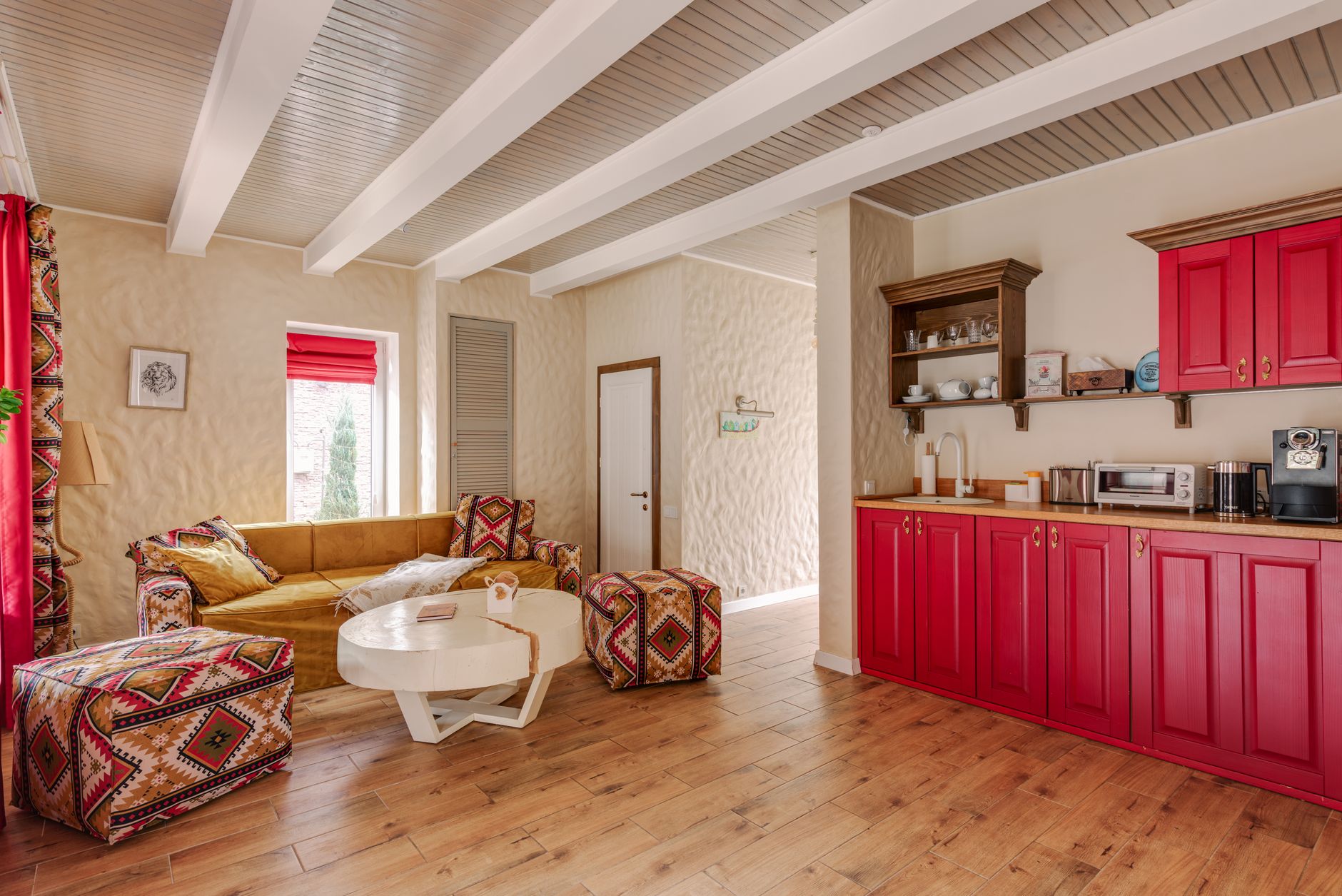
Why the long-stay market in Gurugram is unusually good
Gurugram has more serviced-apartment inventory per capita than any Indian city except Bengaluru, because it was built around a transient corporate workforce. Consultants doing three-month engagements, expat executives on six-month rotations, and now digital nomads doing four-week visa runs all use the same category of property: 1BHK and 2BHK apartments with hotel-style services, monthly rates that undercut nightly rates by 60-70%, and lease terms that flex from 30 nights to 12 months.
The result is that a stay of 30+ nights in Gurugram often costs less than a stay of 15 nights, because you flip from hotel pricing to apartment pricing. A mid-range hotel room at ₹12361 a night is ₹370842 for 30 nights; a comparable serviced apartment at ₹4754 a night is ₹142631. The catch is that the long-stay properties are marketed differently, live on different booking channels, and require different due diligence. Below, the eight worth considering, and the rules for picking between them.
The corporate serviced-apartment tier — ₹237719 to ₹399368 a month
The top of the long-stay market is dominated by three brands operating buildings in Golf Course Road and DLF Phase 2. These are 1BHK and 2BHK apartments in dedicated serviced-apartment buildings — fully furnished, weekly housekeeping, gym, pool, 24-hour security, and a reception that handles couriers and maintenance. Rates ₹8082-₹13312 a night, dropping to ₹237719-₹399368 a month for stays over 28 nights. Utilities and Wi-Fi included.
This tier is what expat corporates use for six-month postings, and it's excellent value if you can expense it. For self-payers, the price is on the edge of justifiable — you get hotel amenities and apartment space, but you’re paying more than a comparable furnished apartment on a proper 11-month lease. The break-even is around 3-4 months: below that, this tier wins; above that, consider a real rental. All three brands offer 7-day trial stays before committing to a monthly rate.
The mid-tier serviced apartment — ₹133123 to ₹228210 a month
The middle of the market is where digital nomads and independent long-stayers actually land. These are 1BHKs in mid-range serviced-apartment buildings, or converted residential builder-floors run by hospitality operators. Locations spread across Sushant Lok, DLF Phase 3 and 4, and Sohna Road. Rates ₹4754-₹7607 a night, monthly ₹133123-₹228210. Weekly cleaning, Wi-Fi included, gym access variable.
The quality range within this tier is enormous — some are genuinely well-run with responsive maintenance, and some are neglected units in ageing buildings where the AC dies in June and takes a week to fix. The way to sort them: book a 3-night trial first (roughly ₹19018), inspect the specific unit you’d occupy long-term, and only commit to a month if the unit and building actually match the listing. Skip this step and you’ll end up locked into a 30-night booking in a bad apartment.
Hotels doing long-stay rates — ₹171158 to ₹342315 a month
Several full-service hotels in Gurugram offer explicit long-stay rates for 30+ night bookings, at 40-55% off nightly rates. These are actual hotel rooms with hotel services — daily housekeeping, room service, gym, pool, breakfast usually included. Not apartments. Room space is smaller (300-450 sq ft), but the service level is materially higher and you don’t cook.
This works for long-stayers who don’t want to grocery-shop or manage their own logistics, and who value having a concierge for the whole month. It also works for medical tourists doing 4-6 week treatment cycles at nearby hospitals — no cooking, easy laundry, on-call staff. The break-even against a serviced apartment is roughly whether you value 30 breakfasts and daily housekeeping at ₹66561-₹95088 a month. For most travellers, no; for medical or wellness stays, yes.
Budget long-stay — ₹66561 to ₹123614 a month
Below the serviced-apartment tier sits the informal long-stay market: paying-guest accommodations, monthly Airbnbs, and PG-style rooms in residential buildings. Rates ₹2377-₹4279 a night, monthly ₹66561-₹123614. Location range is wide — everything from a rented room in a DLF Phase 3 flat to a converted terrace room in Old Gurugram. Quality is entirely dependent on the specific host and property.
The homework here matters even more than in the mid-tier. Verify: is the building actually residential (i.e. you’ll have neighbours who live there full-time and treat noise as a problem), or is it a commercial-converted PG (louder, more transient)? Is there a working AC in your specific room, and who pays if it fails? Does the host live on-site or manage remotely? For female travellers, is the building single-gender or mixed? These questions have real answers, and the good hosts answer them clearly. The rest, avoid.
Neighbourhood picks for a month in Gurugram
For a first long stay, I’d point most travellers to DLF Phase 2 or Sushant Lok. Both have decent walkability by Gurugram standards, cafés and markets within 10 minutes on foot, good serviced-apartment inventory, and easy metro access to Delhi. DLF Phase 4 is quieter and cheaper but more residential — better for month two once you know the city. Golf Course Road is fine if you’re on expense account and want polish.
Avoid, for a long stay: Cyber City itself (dead after 9pm, no groceries), Manesar (too far from anything social), and NH-48 highway-adjacent buildings (noise, exhaust). Also avoid the newer sectors past 60 unless your work is specifically there — the infrastructure is still catching up and you’ll spend an hour in traffic to reach anywhere fun. A month in Gurugram is enough time that neighbourhood choice affects your whole experience of the city; pick with more care than a one-night business booking.
Contracts, deposits and how not to get burned
Long-stay bookings in Gurugram involve either a formal serviced-apartment agreement (professional, clear terms) or an informal handshake arrangement (often for the cheaper PG and Airbnb tier). Get everything in writing: the monthly rate, what's included, the deposit amount and refund conditions, notice period, and cleaning schedule. A one-page emailed agreement is fine; verbal is not, and disputes over deposits are the most common long-stay complaint.
Standard deposits are one month's rent for serviced apartments (refundable) and typically a smaller amount for PGs. Refund timelines vary — expect 7-14 days for a professional operator, longer and messier for informal hosts. Pay by bank transfer or card, never cash, so there's a record. And keep a photo record of the apartment condition on the day you move in, with timestamps. Do these things and long-stay Gurugram is one of the best-value bases in Asia. Skip them and it becomes a slow-motion argument.
Good to know
Questions, answered
Do I need an Indian SIM card for a long stay?
Yes, essentially. Ola, Uber, Zomato, banking OTPs, and most local services require an Indian mobile number. Airtel or Jio prepaid SIMs at Delhi airport cost ₹761-₹1141 with 30-90 days of data and calls, need your passport and a passport photo. Sort this in the first 48 hours or the friction compounds.
Is Gurugram Wi-Fi reliable enough for remote work?
In serviced apartments and hotels, generally yes — 50-200 Mbps down, occasional evening slowdowns. Power cuts are the bigger risk than internet outages; a battery-backed pocket router or a 4G/5G backup SIM is worth ₹1426-₹2377 for a month's insurance. Verify actual measured speed in your specific unit during the trial stay.
Can I cook in a Gurugram serviced apartment?
Yes in most 1BHK and 2BHK serviced apartments — kitchens have a stove, microwave, fridge, basic cookware. Not in hotel long-stay rooms, which have kettles and mini-fridges only. Grocery delivery via Blinkit, BigBasket and Zepto is fast and cheap, so cooking is a real option for month-plus stays even if you didn’t plan it.
Doing good is the business: every booking through Stay Gurugram funds one verified tonne of carbon removal — same room, same price, no markup.
Start your search